
“Accredited train-the-trainer programmes turn awareness of domestic violence into confident medical action.”
Domestic violence (DV) is a widespread public health issue that frequently intersects with medical care. While awareness of DV among healthcare professionals is increasing, many medical frontline practitioners still lack the confidence, skills, and structured training needed to identify, address, and support affected patients appropriately. This gap can lead to missed opportunities for protection, referral, and prevention. High-quality, accredited training is therefore a crucial component of safe, patient-centred healthcare systems.
To address this need, comprehensive training materials and tailored curricula on domestic violence were developed within the EU project VIPROM. These resources were designed to meet the specific needs of different medical professional groups and to support educators in teaching DV-related competencies effectively. A comprehensive curriculum and a structured trainer-the-trainer (TtT) programme were jointly developed and implemented in collaboration with partners from five European member states: Austria, Germany, Greece, Italy, and Sweden.
All training materials were translated into the national languages of the partner countries and adapted to their respective legal, cultural, and healthcare contexts. In addition, an accompanying training handbook was translated and contextualised to support sustainable implementation.
LAYING THE GROUNDWORK: KEY STEPS FOR IMPLEMENTATION IN GERMANY
To successfully implement and sustain the VIPROM-based curriculum on domestic violence in Germany as a best practice example, several foundational steps were required:
- assessing the needs of a wide range of medical professionals across disciplines and career stages
- Providing tailored input on cognitive learning goals, including forms, indicators, and diagnostic aspects of domestic violence, based on the needs assessment
- Teaching psychomotor and affective learning goals through simulations with trained simulation patients
- Developing a VIPROM train-the-trainer (TtT) programme designed to meet national accreditation standards in Germany
These steps ensured that the programme was both pedagogically sound and aligned with real-world clinical demands.
UNDERSTANDING THE ACCREDITATION FRAMEWORK IN GERMANY
To appreciate the German accreditation process for a DV TtT course, it is important to understand the national and regional structures governing medical didactics.
Germany has a national network for medical education and didactics, complemented by regional alliances at medical faculties. One example is LAMA (Landesakademie für Medizinische Ausbildung – State Academy for Medical Education) in the federal state of North Rhine-Westphalia. LAMA consists of certified medical educators who qualify and accredit medical didactic programmes at the regional level. Its certification criteria reflect nationally agreed quality standards for medical training.

For accreditation, a TtT DV workshop must meet clearly defined quality requirements, including:
- Certified trainers
- A standardised agenda
- Transparent and measurable learning objectives
- Clear definition of target groups and group size
- Description of teaching and training tools used
- Standardised teaching and working materials
- Defined workshop duration (e.g. two full training days)
- Successful participant assessments
Beyond structural criteria, relevance to overarching societal and institutional goals plays a crucial role. Accreditation committees often consider how a workshop contributes to patient safety, equity, and the social responsibility of medical professionals—particularly regarding sensitive topics such as domestic violence.
Aligning the DV workshop with the strategic priorities of a medical faculty or hospital (e.g. equity, patient safety, or mandatory curricula) can significantly increase the likelihood of accreditation. Early recognition of relevance – ideally before piloting facilitates not only certification but also long-term institutional integration. Embedding the workshop into mandatory curricula, such as surgical or general medical education programmes, further supports sustainability.
LESSONS LEARNED FOR ACCREDITATION IN OTHER COUNTRIES
Although accreditation frameworks differ across countries, several lessons from the German experience are broadly transferable:
- Define the target group early. As medical educators and curriculum developers are the primary audience for TtT workshops, clarity about the target group is essential before curriculum development begins.
- Understand national accreditation standards. Familiarise yourself with country-specific requirements, as qualification criteria and processes may differ substantially from the German context.
- Collaborate with accrediting institutions from the outset. In Münster, certified trainers from the University of Münster were involved early, strengthening credibility and alignment with accreditation standards.
- Secure structural and didactic foundations first. Only once institutional conditions and the didactic framework are well established should curriculum development begin.
- Allow sufficient time. Accreditation is often a lengthy process; persistence is essential. The German team invested several years in developing and refining the programme.
A SUCCESS STORY: THE VIPROM TTT PROGRAMME IN GERMANY
The German VIPROM train-the-trainer programme represents a successful and sustainable implementation pathway. The programme is on track for accreditation at the North Rhine-Westphalian level, has already trained a growing cohort of certified medical educators, and has been integrated into existing medical education structures at the University of Münster.
This experience demonstrates that structured, accredited DV training can be embedded into medical education systems and scaled within institutional frameworks.

SUMMARY AND CALL TO ACTION
In summary, successful accreditation of a TtT domestic violence programme requires early analysis of national frameworks, systematic engagement with accreditation bodies, and close collaboration with key stakeholders and decision-makers. Developing a clear workshop concept, piloting it rigorously, and allowing sufficient time for accreditation are critical steps on this path.
Now is the time to act. Medical educators, curriculum developers, and institutional leaders are encouraged to use the VIPROM experience as a practical blueprint. By initiating dialogue with accreditation bodies, embedding domestic violence training into mandatory medical curricula, and investing in certified train-the-trainer programmes, you can help build safer healthcare systems. Empowering medical professionals to respond confidently and competently to domestic violence ultimately improves patient protection, quality of care, and societal well-being.
MORE INFORMATION ON DOMESTIC VIOLENCE
If you are interested to learn more about Domestic Violence in the health sector, please visit our European training platform on domestic violence.
ABOUT THE AUTHORS
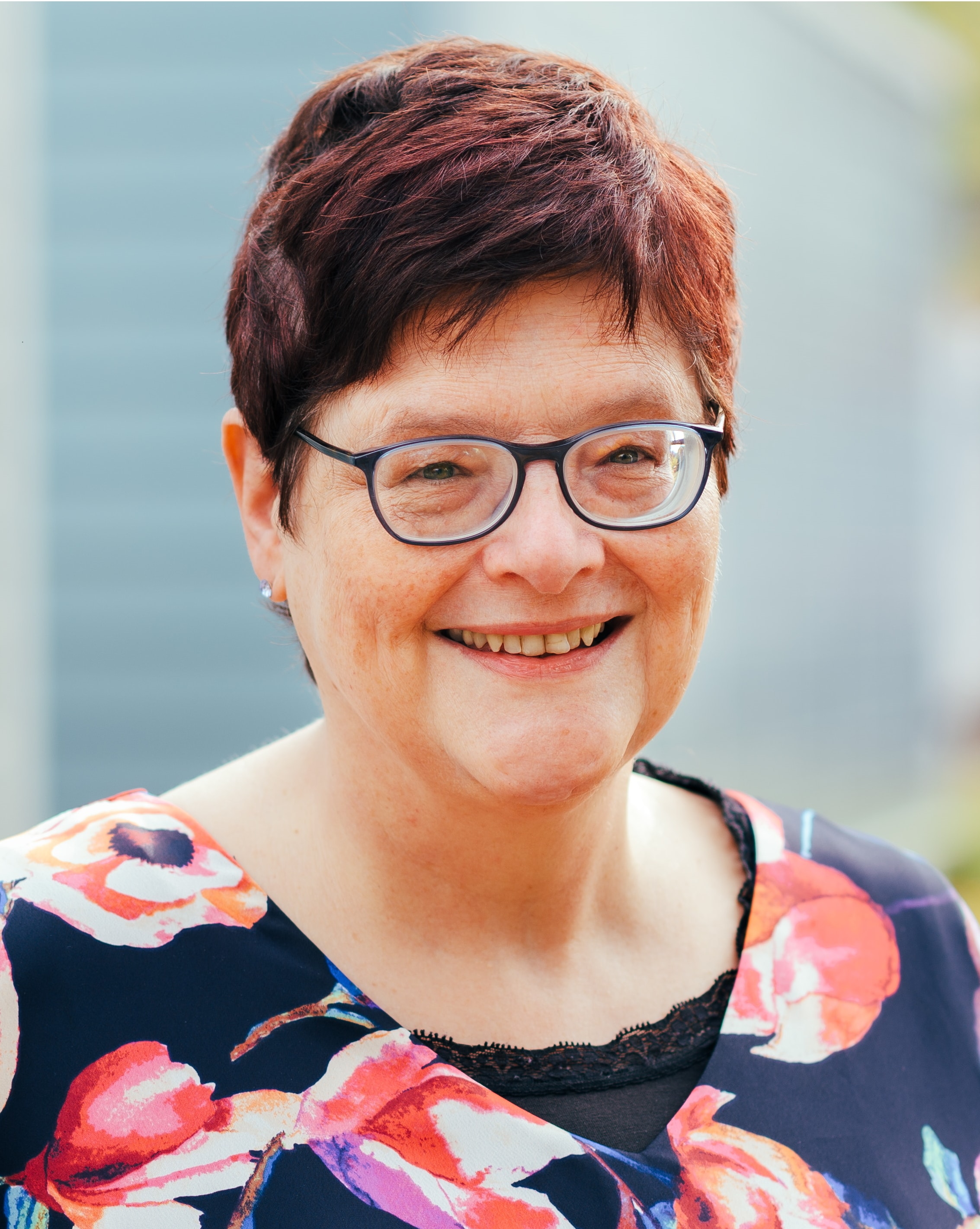
Prof. Dr. Dr. Bettina Pfleiderer PhD MD works as associate professor and head of the research group Cognition & Gender at the Clinic of Radiology of the medical faculty of the University Muenster in Germany. She is the coordinator of VIPROM and a known expert in the field of domestic violence and medical education since many years and is lecturing on domestic violence globally. She and her research team developed the EUROPEAN training platform on DV for the healthcare sector, police, and social sector (www.training.vimprodo.eu).

Eva Schönefeld, MD, PhD
Background: Study course in Medicine at Ruhr-University of Bochum (D)
Positions: Surgeon, medical teacher, trainer of medical didactics, psychological supervisor, groupdynamic leader and consultant
Particularly, emotionally demanding roles such as simulating being a domestic violence (DV) victim may have negative impact on SPs well-being and mental health. Therefore, many SP programs like ours implemented at the Münster medical faculty of the University of Münster in Germany work according to guidelines to protect our SPs.
 This project has received co-funding from the European Union’s CERV-2022-DAPHNE programme under grant agreement No. 101095828.
Newsletter
Please subscribe here for the VIPROM newsletter: